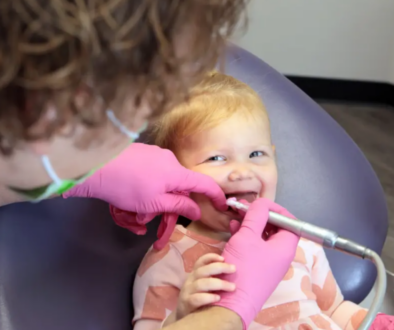
Stopping Bad Habits That Can Hurt Growing Smiles
A Parent’s Guide to Thumb Sucking, Teeth Grinding, and Healthy Bite Development
Every child has habits that help them learn, grow, and self-soothe. Thumb sucking, pacifiers, and even teeth grinding are all common parts of childhood. Most of the time, they’re completely normal.
But as your child grows, some habits can begin to affect how their teeth, jaws, and smile develop.
The good news? You don’t have to figure it out alone.
At Tega Cay Pediatric Dentistry, we help families throughout Tega Cay and Fort Mill, SC monitor healthy smile development at every stage. During regular checkups, we look beyond cavities to catch small changes early—often before they become bigger orthodontic concerns.
Here’s what every parent should know about protecting a growing smile.
Why Monitoring Growing Smiles Matters
Children’s mouths are constantly changing. Baby teeth make room for permanent teeth, jaws grow, and bites develop over many years.
That’s why pediatric dentists don’t just check for cavities—they also monitor your child’s:
- Tooth alignment
- Jaw growth
- Bite development
- Oral habits
- Overall children’s oral development
Many orthodontic issues can be recognized long before braces are needed.
When Thumb Sucking Becomes a Concern
Thumb sucking is a natural reflex that begins in infancy. It helps babies and toddlers feel calm, comforted, and secure.
Most children naturally stop between 2 and 4 years old.
If thumb sucking or frequent pacifier use continues after the permanent front teeth begin erupting (around ages 5–6), the repeated pressure can begin changing how the teeth and jaws develop.
It may contribute to:
- An open bite
- Front teeth that stick outward
- Crossbites
- Changes in jaw growth
- Speech or swallowing challenges in some children
The longer and more vigorously a child sucks their thumb, the greater the chance it can affect bite development.
Helping Your Child Break the Habit
Breaking a comforting habit isn’t always easy, and it shouldn’t become a battle. Before trying to stop thumb sucking, it helps to understand why children do it in the first place.
Gentle ways to encourage success:
- Look for triggers. Notice when your child tends to suck their thumb, such as during bedtime, screen time, or stressful situations.
- Celebrate progress. Sticker charts, praise, and high-fives are much more effective than punishment. Small victories build confidence.
- Offer new comfort tools. A favorite stuffed animal, cozy blanket, bedtime story, or calming routine can provide the same sense of security.
- Keep little hands busy. Coloring, puzzles, crafts, building blocks, sensory toys, or Play-Doh can reduce idle thumb sucking.
- Work together. Instead of saying, “Stop sucking your thumb,” explain that their smile is growing and invite them to help take care of it.
Remember—every child develops differently. Patience, encouragement, and teamwork go a long way.
If the habit continues beyond preschool or you’re noticing changes in your child’s bite, your pediatric dentist can help determine the best next steps.
Why Do Children Grind Their Teeth?
If you’ve ever heard a squeaking or crunching sound coming from your child at bedtime, you’re not alone.
Children grinding teeth, also called bruxism, is surprisingly common.
Many children grind their teeth while sleeping, and parents often notice it before the child does. In many cases, children outgrow the habit without treatment.
Although researchers are still learning exactly why children grind their teeth, studies show that bruxism can have multiple contributing factors, including normal growth and development, sleep patterns, airway concerns, stress, or changes in the way the teeth fit together.
When Is Teeth Grinding a Problem?
Occasional grinding usually isn’t harmful.
However, it’s worth scheduling a visit if your child experiences:
- Jaw pain or soreness
- Frequent morning headaches
- Tooth sensitivity
- Worn or chipped teeth
- Difficulty chewing
- Complaints that their teeth “feel funny”
Your pediatric dentist can determine whether the grinding is part of normal development or if additional monitoring is needed.
Bite Development Happens One Stage at a Time
Every six months, your child’s smile changes a little.
Baby teeth create space for permanent teeth, jaws grow, and facial bones develop throughout childhood. That’s why regular dental visits involve much more than checking for cavities.
As your child grows, your pediatric dentist watches for:
- Crowding
- Crossbites
- Open bites
- Overbites
- Underbites
- Jaw growth concerns
Many of these issues are much easier to correct when they’re caught early.
When Should My Child Have an Early Orthodontic Evaluation?
Many parents think orthodontic care starts when all the permanent teeth arrive.
In reality, it’s recommended every child receive an early orthodontic evaluation by age 7. This doesn’t necessarily mean your child needs braces—it simply allows your dental team to evaluate how the jaws and permanent teeth are developing and determine whether early intervention could be beneficial.
Signs Your Child May Benefit from an Evaluation
Your child may benefit if they:
- Lose baby teeth very early or very late
- Have crowded teeth
- Breathe through their mouth
- Have difficulty chewing
- Have noticeable bite problems
- Continue thumb sucking beyond age 5
- Grind their teeth frequently
How Pediatric Dentists Monitor Growth
One of the biggest advantages of seeing a pediatric dentist regularly is that we can track your child’s smile as it grows—not just treat problems after they appear.
We watch for:
- Delayed or early tooth eruption
- Crowding
- Crossbites
- Open bites
- Jaw development
- Harmful oral habits
- Changes caused by thumb sucking or teeth grinding
Sometimes, the best treatment is simply careful observation at the right time.
Why Early Intervention Matters
Small habits can have a big impact—but only if they’re left unchecked.
When concerns are identified early, treatment is often simpler, less invasive, and more effective.
Early intervention benefits include:
✔ Guiding healthy jaw growth
✔ Supporting proper bite development
✔ Helping permanent teeth erupt into better positions
✔ Reducing the need for more extensive orthodontic treatment later
✔ Protecting your child’s long-term oral health
Remember, early intervention doesn’t always mean treatment. Sometimes it simply means watching your child’s growth closely and stepping in only if needed.
Why Choose Tega Cay Pediatric Dentistry?
At Tega Cay Pediatric Dentistry, we believe healthy smiles start with prevention and education.
Families throughout Tega Cay and Fort Mill, SC, trust us because we provide:
- Gentle, compassionate care designed just for kids
- A fun, welcoming environment that helps children feel comfortable
- Regular monitoring of bite development and oral growth
- Guidance for parents on thumb sucking, teeth grinding, and other oral habits
- Personalized care that grows with your child
Our goal is to help every child build a healthy smile—and a positive relationship with the dentist—for life.
Help Your Child’s Smile Grow Strong
Growing up comes with lots of milestones—and every smile develops a little differently.
Whether you’re wondering when thumb sucking becomes a concern, why your child grinds their teeth at night, or if it’s time for an early orthodontic evaluation, we’re here to answer your questions and support your family every step of the way.
At Tega Cay Pediatric Dentistry, we’re proud to help children throughout Tega Cay and Fort Mill, SC grow healthy, confident smiles in a fun and welcoming environment.
Ready to make sure your child’s smile is developing on the right track? Schedule their next checkup today! Together, we’ll keep those growing smiles healthy, happy, and shining for years to come.